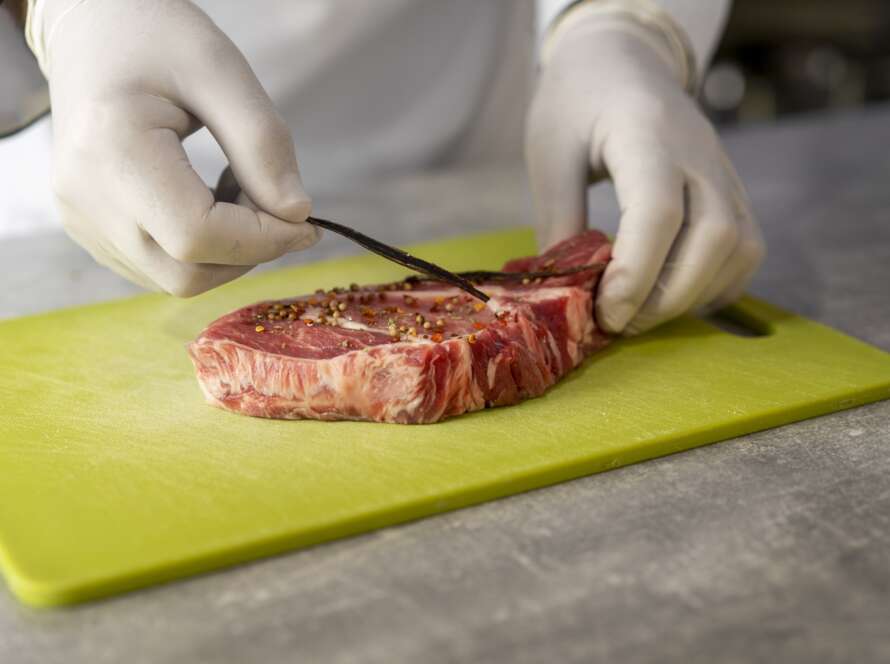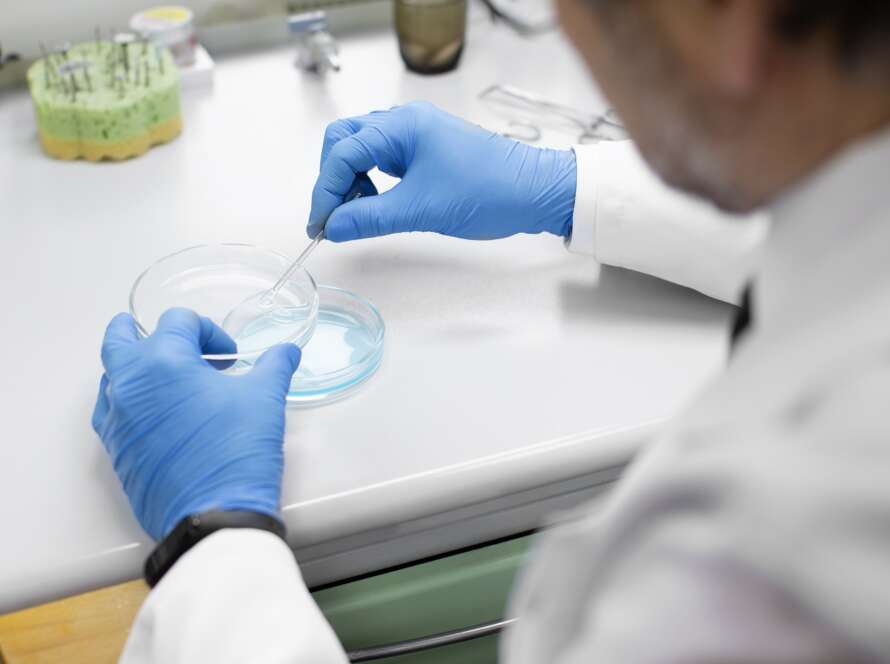

Proteins are a fundamental pillar of life. It is present in every cell of the human body and plays essential roles in processes such as tissue repair, enzyme production, immune system maintenance, and muscle building.
Although everyone has heard the phrase “you need to eat protein,” it’s not always clear how much we actually need or which sources are best. In a world where food security has become top prioritiy, understanding how protein works and how we can produce it is more relevant than ever.
How much protein does the body need?
The most widely accepted official recommendations come from the Institute of Medicine (IOM), which sets a daily recommended intake of 0.8 grams of protein per kilogram of body weight. This means that a 70-kilogram person should consume about 56 grams per day.
Optimal intake varies depending on the situation, but it is clear that not everyone needs the same amount. The key lies in adapting it to each individual’s lifestyle, goals, and physical condition.
Types of protein: animal, plant-based, and new alternatives
Traditionally, dietary protein has come from animal sources such as meat, fish, eggs, and dairy. These sources provide complete proteins—meaning they contain all the essential amino acids the body cannot produce on its own. Plant-based proteins, found in legumes, whole grains, nuts, and soy, can also meet our nutritional needs, although in some cases they must be combined to achieve a complete amino acid profile.
In recent years, however, new alternatives have emerged thanks to advances in biotechnology, such as proteins developed through controlled microbial fermentation, advanced plant-based matrices, and especially cultivated meat produced in bioreactors.
Cultivated meat: the protein of the future
Cultivated meat is produced from animal cells that grow in controlled environments, creating real meat without the need to raise or slaughter animals. This technology represents one of the most significant transformations in the 21st-century food industry.
Cultivated meat offers advantages in terms of food safety. Since it is produced under controlled conditions, it helps minimize microbiological risks and eliminates the need for antibiotics.
How BioTech Foods is driving this protein development
BioTech Foods focuses on producing cultivated meat to offer complete, nutritious, high-quality protein is the tool that will make it possible to build a safer and more resilient food system.